ServicesWell Water Filtration
Well Water Filtration and Treatment in Kyle, TX
A private well gives you water no utility is testing for you. We test it first, then build a filtration system around what is actually in it, and we show you how each stage performs and what it costs to keep running over the years.
Filtration designed for the water your well delivers
Well water changes from one property to the next, and even from season to season in the same well. Sediment, hardness, iron, sulfur odor and bacteria each call for a different stage, so we do not start with a catalog. We start with a test.
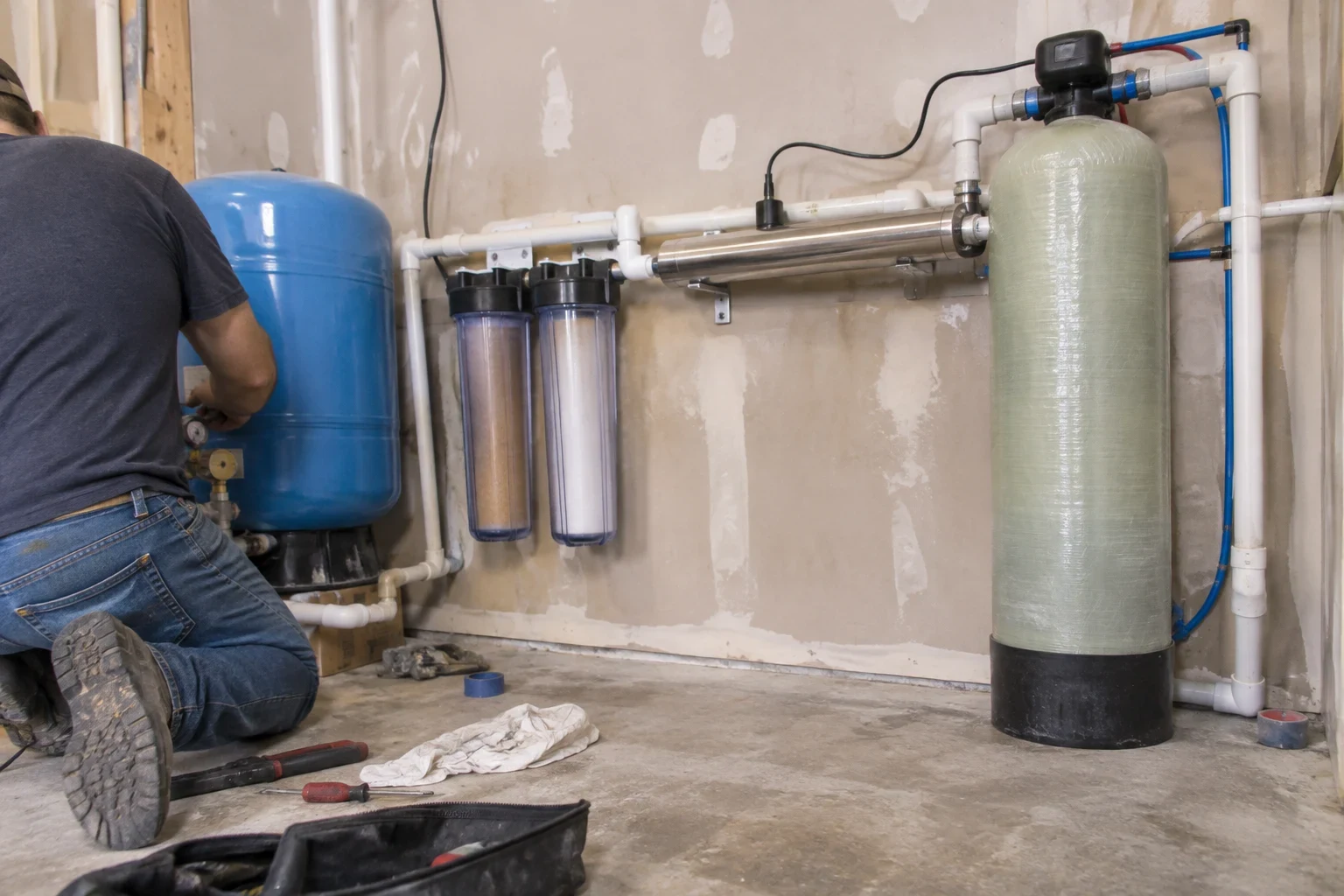
From those results we design a system in stages, usually a sediment filter first, then whatever the test shows is needed, such as a mineral stage, a carbon stage or UV. Wells drawing from the limestone aquifers around Kyle often run hard and mineral-heavy, which is why the order of the stages matters as much as the equipment itself.
Before you decide, we walk you through what each stage costs to install, how long its media or cartridges last and what yearly upkeep looks like. A system that is cheaper on day one can cost more by year five, and we would rather you see that on paper first.
What a well filtration system from us includes
- A water test before any design
- We test for the things that decide equipment choices: hardness, iron, manganese, pH, odor-causing sulfur and sediment. If bacteria is a concern, we explain how to have that checked properly. Our Water Testing & Analysis page covers the details.
- Sediment protection up front
- Sand and grit from a well wear out every stage that follows. A properly sized sediment filter is the cheapest way to extend the life of the media and valves behind it.
- Targeted treatment stages
- Depending on the results, that may be a conditioner or softener for hardness, a dedicated stage for iron and rotten-egg odor, or carbon for taste. Heavy iron or sulfur gets its own attention, described on our Iron and Sulfur Removal page.
- UV as a final barrier where it fits
- When a well is open to surface influence or a test raises bacteria questions, a UV unit after filtration gives the water a last pass. It only works on clear water, so it always comes after the other stages.
- Clean, serviceable installation
- We place equipment near the pressure tank with a bypass valve, shutoffs and room to change cartridges without crawling. Free installation is part of the offer, and we tidy the work area before we leave.
- An upkeep plan in writing
- You get a simple schedule of what to change and when, so maintenance is a known yearly cost rather than a surprise.
Signs your well water needs filtration
Rust-colored staining
Orange or brown rings in toilets, tubs and on laundry usually mean iron is present. Inside the plumbing, the same deposits slowly coat fixtures and the water heater tank.
A sulfur odor at the tap
Hydrogen sulfide makes water smell like rotten eggs, and the odor is often worse from the hot side. Beyond the smell, it can eat at copper lines and fittings.
Chalky buildup and spotted dishes
White crust on faucets and showerheads, or cloudy spots on glassware, points to hard water. Over the years that scale cuts into the working life of your water heater and appliances.
Sand in faucet screens or murky water
When aerators clog with grit or a glass looks cloudy, sediment is getting through to your fixtures. Every valve and appliance downstream wears faster because of it.
No recent test on file
Plenty of well owners have never had their water tested, or last did so at closing. Not knowing what is in your water right now is a good enough reason to find out.
What moves the cost of well water filtration
Price depends on what your water contains and how much of it your home uses, so we quote after testing rather than before. Every quote shows the installed cost next to the ongoing cost of media, cartridges and bulbs. That second number is often what separates a good choice from an expensive one.
What the test finds
A well that only needs sediment and carbon is a simpler system than one with hardness, iron and sulfur together. Each added problem usually means another stage.
Flow rate and household size
Equipment has to keep up with showers, laundry and irrigation running at once. Undersized tanks wear out early and drop pressure.
Space, drain and power
Backwashing tanks need a drain and UV units need an outlet. Tight spaces or long runs to a drain add labor.
Long-term media choice
Some media last for years and some need yearly replacement. We show the lifespan of each option so the up-front figure is never the whole story.
How a well filtration project runs
- 1
Your call and a free water test
Tell us what you have been seeing, smelling or tasting, and we arrange a visit to test. The sample comes from the well side of your plumbing, so the numbers describe your source water.
- 2
Results and a written proposal
We explain the readings in everyday language and suggest only the stages they justify. Each component on the proposal comes with its expected media or cartridge life and its yearly upkeep, so you can weigh options across the years and not only on day-one price.
- 3
Installation day
Expect the water to be off for a few hours of the visit. We plumb the system in with a bypass, hook up any drain line or power it requires, sanitize where needed and flush until the water runs clear.
- 4
Handover and a confirming test
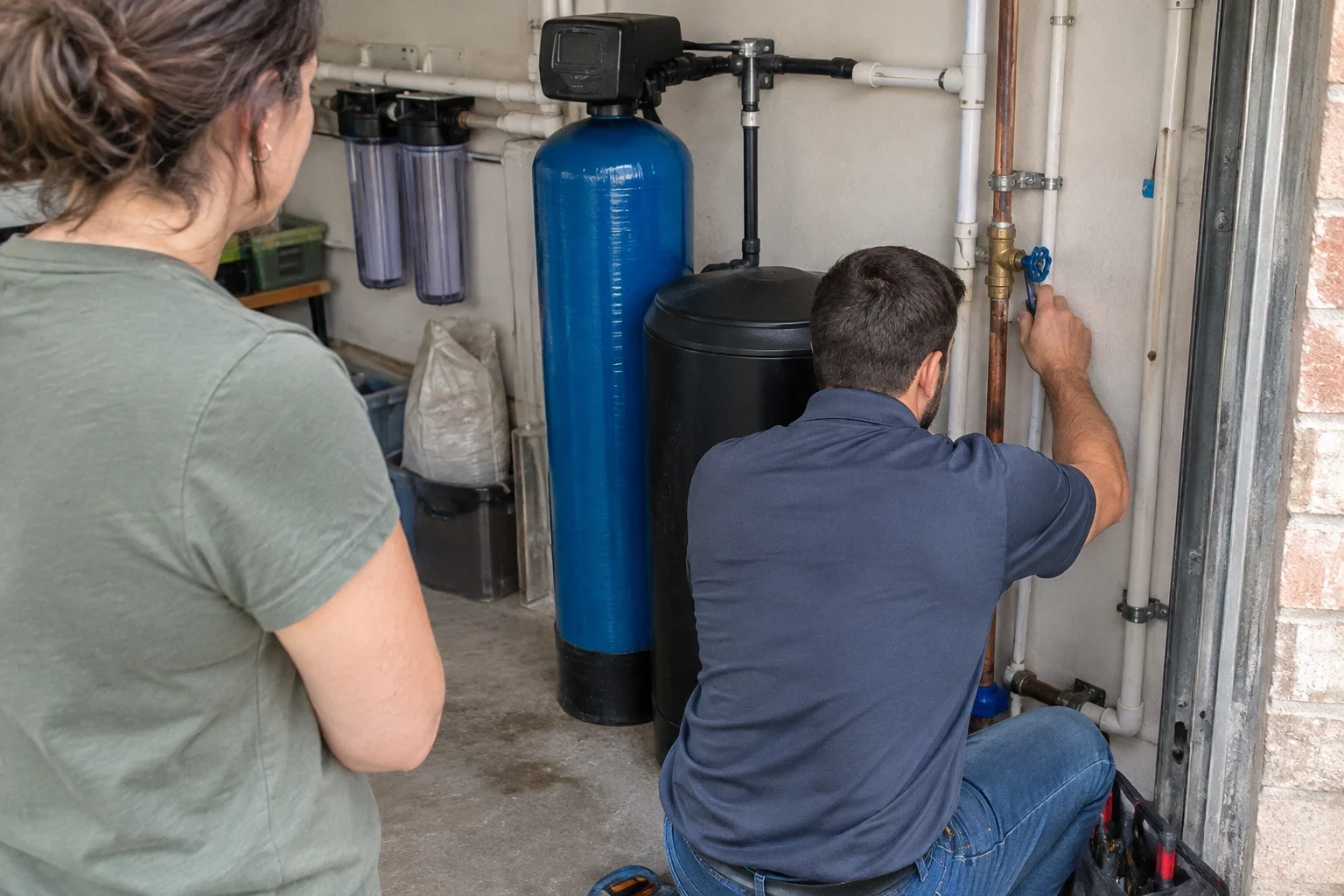
Once the work is done, we point out where the bypass valve sits, how the filter housings open and what the maintenance schedule asks of you. A second test afterward checks that the system is delivering what the first test said your water needed.
Common questions from well owners
Can you recommend equipment without testing my water first?
We would rather not. Picking equipment blind tends to mean paying for stages your water does not need and skipping the one it does. The test costs you nothing when you call, and its results shape every part of the design.
Will filtration make my well water safe to drink?
A system treats what the test finds. When bacteria is a question, we place UV after the filter stages and suggest a lab bacteria test to confirm the result. You will hear plainly what your system removes and what it does not.
What does a well system ask of me each year?
Typically a sediment cartridge swap several times a year, a new UV bulb annually if you have UV, and media replacement on a longer cycle. You get that schedule on paper before you agree to anything, so the running cost is known from the start.
Is a softener necessary on well water?
Only when your hardness number calls for one. In some homes a salt-free conditioner is the better fit and asks for less upkeep. Our Water Softener Installation and Salt-Free Water Conditioners pages set the two side by side.
Will a filtration system reduce my water pressure?
Properly sized equipment should not leave you with a pressure drop you can feel. When pressure does fall, the usual causes are tanks that are too small or cartridges overdue for a change. We size from your actual flow and keep the maintenance routine easy to follow for that reason.
Find out what your well is giving you
A free water test tells us what your water needs, and the quote shows what each option costs now and over the years. Installation is free, and you decide nothing until you have seen the numbers.